From the day Rav Matthew and Rebbetzin Yael Nitzanim arrived on the Rutgers campus, students were asking to learn. Not just a few. A lot of them. Women especially were lining up for one-on-one havrutot with Rebbetzin Yael. The requests kept coming, and the energy was real.
Two educators. More demand than two people could handle on their own. So they got creative.
PODs
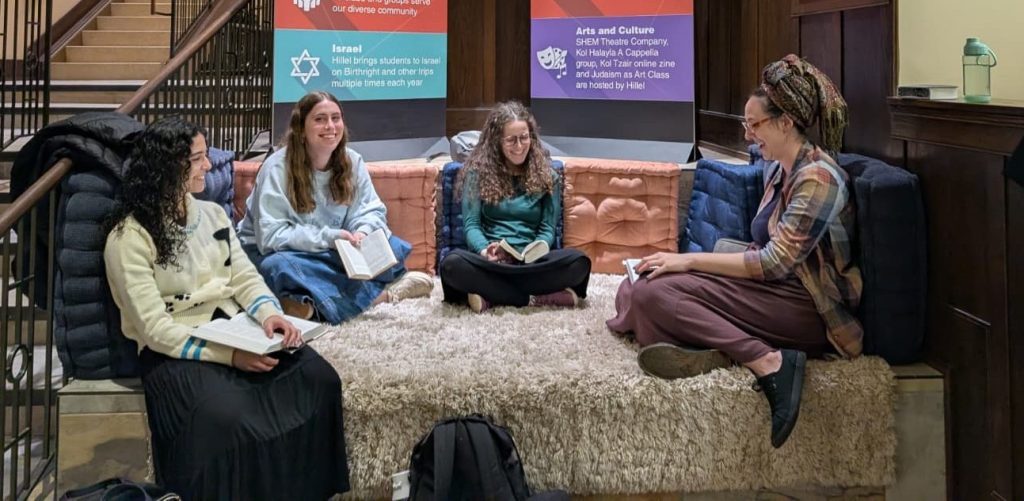
This past semester, JLIC Rutgers launched what they called PODs: intimate chaburot of three to five students, built around a shared Torah interest and scheduled around the students’ own availability. Not 1-on-1. Not a large shiur. Something in between that could hold the personal connection students were craving while reaching far more of them.
Seven pods. Twenty-six students, from freshmen to grad students. The whole semester.
Some pods came together naturally. A friend group approached Rebbetzin Yael and said they wanted to learn together, and that was that. Others formed in a way nobody expected. Rav Matthew and Rebbetzin Yael started hearing from individual students who all wanted to learn the same thing but had no connection to each other. So they put them together. Strangers, suddenly showing up weekly in the same room, brought there by nothing except a shared pull toward a Torah topic. No event programming, no incentive structure. Just Tanakh, or Gemara, or Machshava, or whatever it was they’d asked about months earlier.
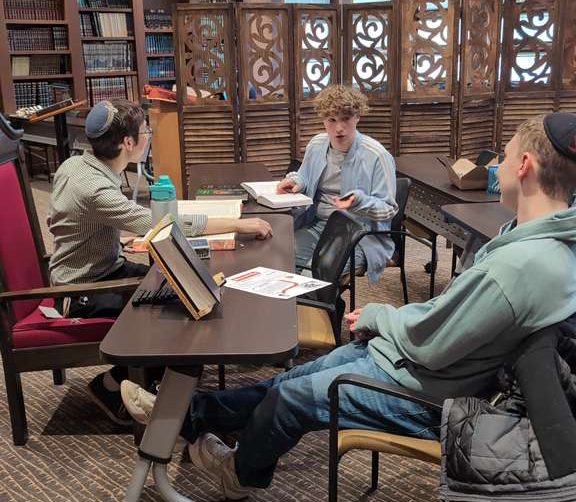
Topics included a Sefer Yonah group, a Megillat Ruth group, Hilchot Kashrut with Rav Matthew, a women’s group with Rebbetzin Yael learning Hilchot Shabbat, focused on practical personal grooming: ointments, brushing hair, makeup, and bathing on Shabbat. A Machshava group digging into Religious Zionist thought. A group that gathered every Thursday afternoon to learn the Pirkei Tehilim of Kabbalat Shabbat, so that by Friday night, the words carried weight.
Four students on Rutgers’ engineering campus reached out to Rav Matthew with a specific ask. They had a gap between their 8:30 and 11:30 classes every week and wanted to learn, but it had to be on their campus. So he went to them. Every week, he made the schlep out to the engineering campus and learned with them in that window. That gap in their schedule, the one most students would have just killed time in, became a weekly chavruta. Because they asked, and because he showed up.
When the group is three or four people, a student can’t disappear into the back row. They’re counted on. They show up because their presence actually matters, their questions shape where the learning goes, and the whole thing feels like it belongs to them.

To close out the semester, Rav Matthew and Rebbetzin Yael invited all twenty-six students at the Nitzanim home for a dessert reception. Students shared what they’d learned, what had surprised them, what they wanted to keep exploring. It was a real celebration, a room full of people who had put in the work and had something to show for it.
Students told them from day one that they struggle to make Torah consistent on their own. Putting it on the schedule, keeping it there, week after week. PODs exist because that struggle is real.
The Nitzanim are already building pods for the fall, before schedules even solidify. More students, same intimacy.
Twenty-six this semester. They’re not stopping there.
Reach out to any of our Directors to learn more about JLIC and to support our programming.
Related Posts
From Rutgers to Israel: Matthew Levine’s Life-Changing Summer Mission with JLIC