Note: This post highlights a sample of what’s been happening across JLIC’s Israel communities. It is not a complete picture of everything underway.
What’s been happening inside JLIC communities across Israel over the past few weeks is not a story about cancellations and pivots. It’s a story about showing up anyway.
The People Running These Communities Are Also Serving
Before getting into what JLIC communities have been doing, it’s worth noting who’s been doing it. Several JLIC directors across Israel have been called up to miluim since the fighting with Iran began at the end of February.
They’re not alone. Significant numbers of JLIC community members have been called up as well. In some communities, the people organizing support for soldiers’ families are themselves the families of soldiers. The line between who’s giving and who needs it isn’t always a clean one.
The programming you’re about to read about has been built and run in the middle of all that, with directors deployed and communities under pressure. That context is worth keeping in mind.
Tel Aviv: A Community That Mobilized
When missiles started hitting Tel Aviv, the JLIC community there didn’t wait for a program to form around the situation. They became a coordination network.
Volunteers showed up after strikes to help residents clear debris, retrieve belongings from damaged apartments, and cope with the immediate aftermath. One coordinator put out the call directly: “We will need volunteers… clearing debris, helping residents who were impacted take essentials out of their home, help with calming them.” Some residents lost their apartments entirely, described in one message as people “pulled from the rubble.” Within minutes of one such strike, a new olah who had no family in Israel had a place to stay with a mamad, people reaching out to take her for coffee, volunteers lined up for cleanup, and a community fundraiser started. The group also connected people urgently needing protected spaces with families who had mamads, coordinated temporary housing, and continued supporting vulnerable populations including Holocaust survivors, former hostage families, and isolated olim.
Soldiers weren’t forgotten either. The community sent fresh produce and food to an IDF intelligence unit at the Kirya pulling twelve-hour shifts. A community member serving in that unit wrote back:
“It was so so so needed and welcomed and there was such gratitude… Everyone said how amazing a community we must have and how sweet it is that you are looking out for the soldiers in the community, that they didn’t know shuls and religious institutions did things like this.”
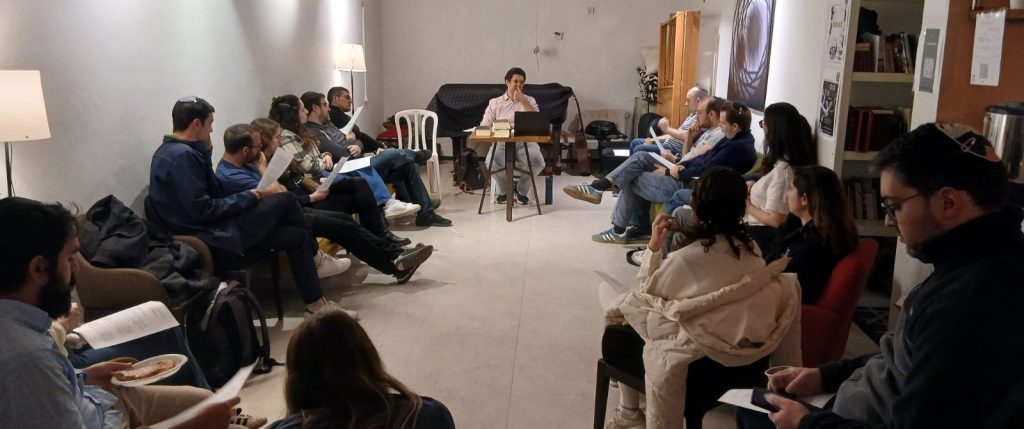
Through all of it, the learning continued. The weekly THINK shiur moved from its usual space at 126 Ben Yehuda to underground at Yakar and capped at 25 people so there was room in the miklat for everyone. During one recent session, a siren went off. They kept going.
Rav Joe Wolfson was clear-eyed about what this is and isn’t. This isn’t Torah study under Roman persecution or Chabad work in Soviet Russia, and there’s no need to dress it up that way. But seventy-plus sirens in Tel Aviv in barely over a week, impact sites 1.5 kilometers from his home, shrapnel landing near his son’s gan, and still people are showing up to learn. He called it mesirut nefesh for Torah in an era of abundance. The bar has shifted. The commitment hasn’t.
Tel Aviv University: Supporting the Families Left Behind
The JLIC miluim wives group has been running since the beginning of the war, tracking which husbands have been called up and staying in regular contact. This Purim, they sent mishloach manot specifically to wives whose husbands are currently deployed. One wife whose husband wasn’t called up cooked dinner for others nearby. They’re now building toward an “adopt a family” model that would pair American families with miluim families in Israel for ongoing support, check-ins, and practical help when a husband gets called up.
Jerusalem: Showing Up in Every Way They Can
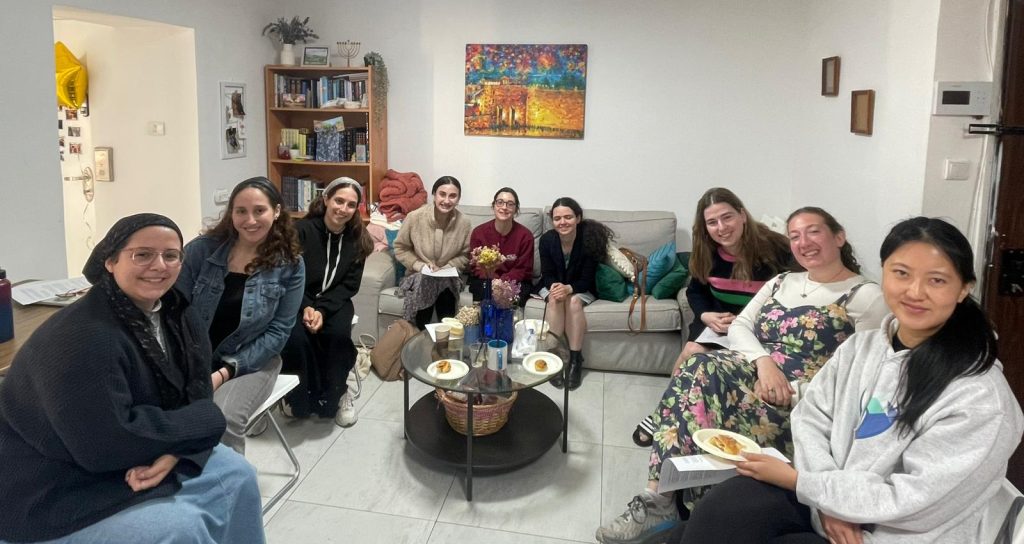
Sometimes the war creates space for something new.
The JLIC Jerusalem team had been wanting to start a women’s morning chabura for a long time. The war gave them the push, and the mamad gave them the room. About ten women gathered at a community member’s apartment, went around the circle in what one participant called “a little group therapy,” and learned together. New people met each other. Simple, warm, needed. The goal is to make it weekly, hopefully, as they put it, without needing a safe room for much longer.
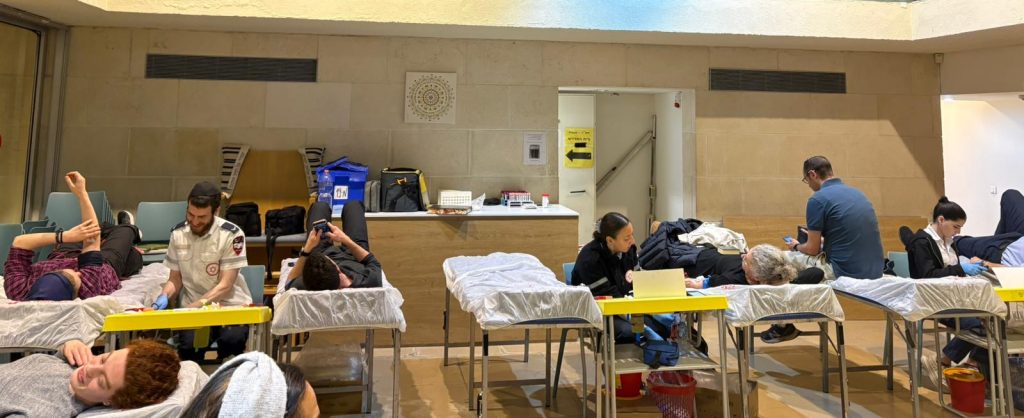
Meanwhile, JLIC Jerusalem teamed up with Abraham’s House, Magen David Adom, and Beit Knesset Ramban for a blood drive on March 12. For many in the community, it was a concrete way to do something tangible when the impulse to act is strong and the outlets aren’t always obvious.
Purim in the Miklat
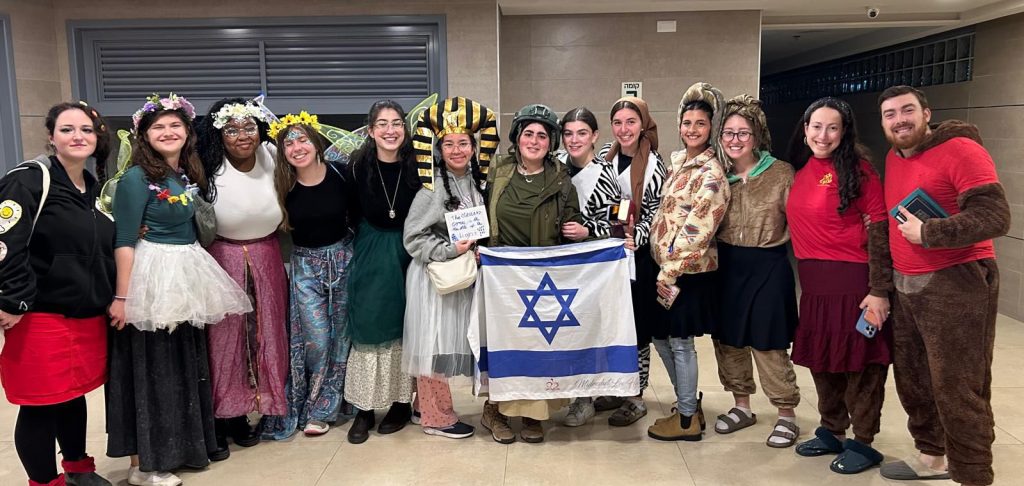
For the JLIC Sherut team in Jerusalem, Purim looked nothing like it was supposed to. A packed calendar got compressed into three Megillah readings spread across the city to reach bnot sherut wherever they were, a drop-in seuda, and a mishloach manot swap. The women didn’t just appreciate the packages. They appreciated the face-to-face contact during a time when so much has felt isolating.
That same team had also been running a Megillah Daf Yomi initiative through February and March, getting women learning Masechet Megillah in the weeks leading up to Purim. Thirty women learned at least a perek. Ten finished the whole masechet by Purim. The siyum dinner is still being rescheduled; the learning is already done.
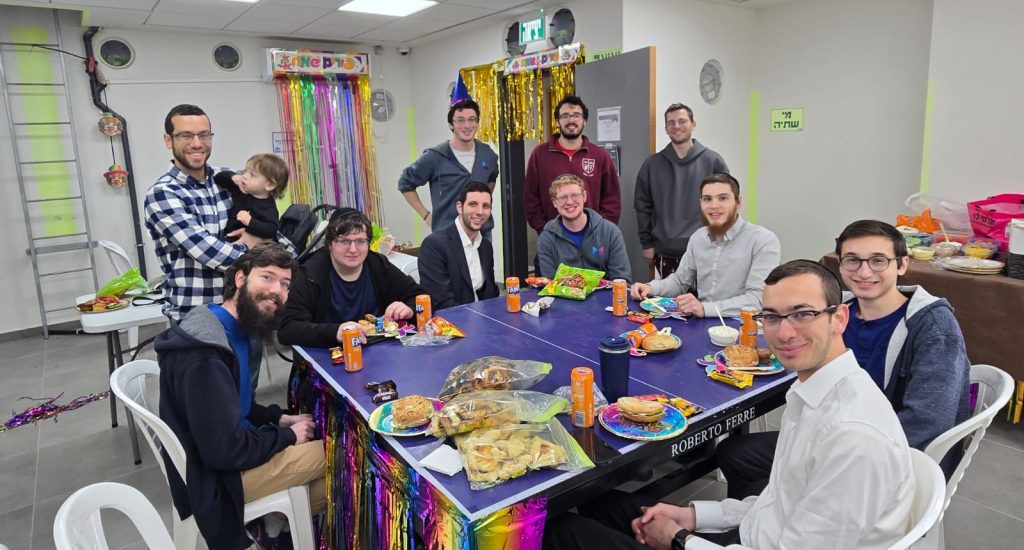
At JCT Lev, the Megillah was read in the miklat, followed by dinner and dancing on campus that night and morning readings for multiple communities the next day. Israeli neighbors joined in too.
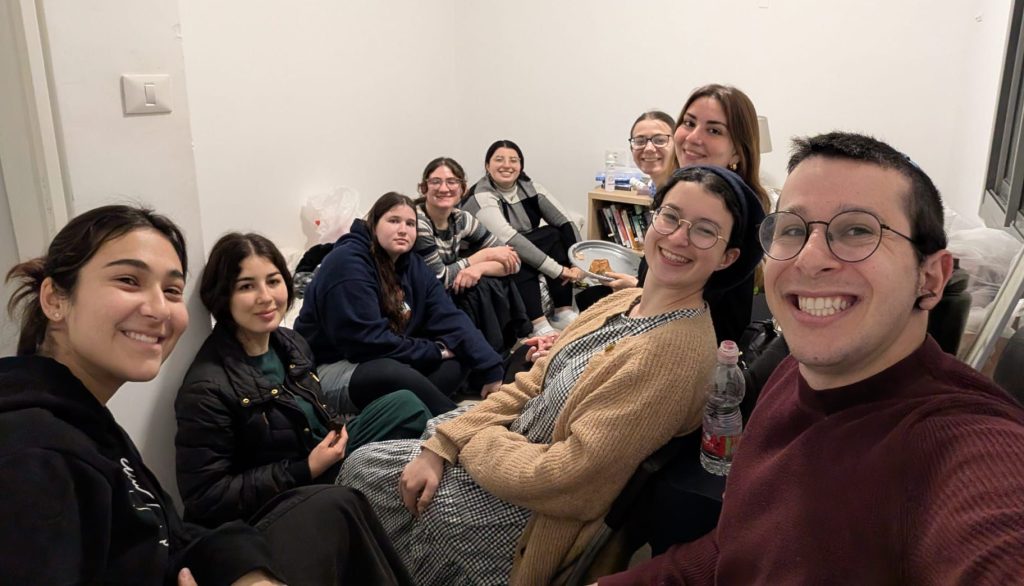
At JCT-Tal, programming is coming back slowly. First stop: dinner and shiur in the mamad.
Herzliya: What It Means on the Ground
Sometimes the clearest way to describe what a community provides is to let someone say it. A student at Reichman University sent this unprompted:
“It’s been so nice this year especially at Reichman with the JLIC they have… the Shabbat dinners are the best part… the same people come every week so you meet new friends you will actually see again, the food’s good, and it’s sometimes the only part of Shabbat that feels like Shabbat and not just another day of the week. When the war started I got a personalized text from the rebbetzin checking in on me and letting me know she was here if I needed anything.”
Eleven communities across Israel. Different situations, different constraints, different approaches. But the same basic thing happening everywhere: people finding a way to gather, learn, and take care of each other. In a mamad. In a miklat. In someone’s apartment. In an underground shiur when the sirens don’t stop.
To support JLIC’s work in Israel, contact us here.
Related Posts
Miluim Wellness Retreat: A Shabbat for Those Who Serve
Community Strength: JLIC Herzliya’s Unwavering Support for Soldiers
When the Sirens Sound: JLIC Communities Mobilize
JLIC Tel Aviv Delivered Shabbat Meals to IDF Soldiers in Syria
Bringing Joy to Those in Need: JLIC Tel Aviv’s Matanot L’Evyonim 2024
A Heartwarming Initiative Connecting Small Businesses and Military Families